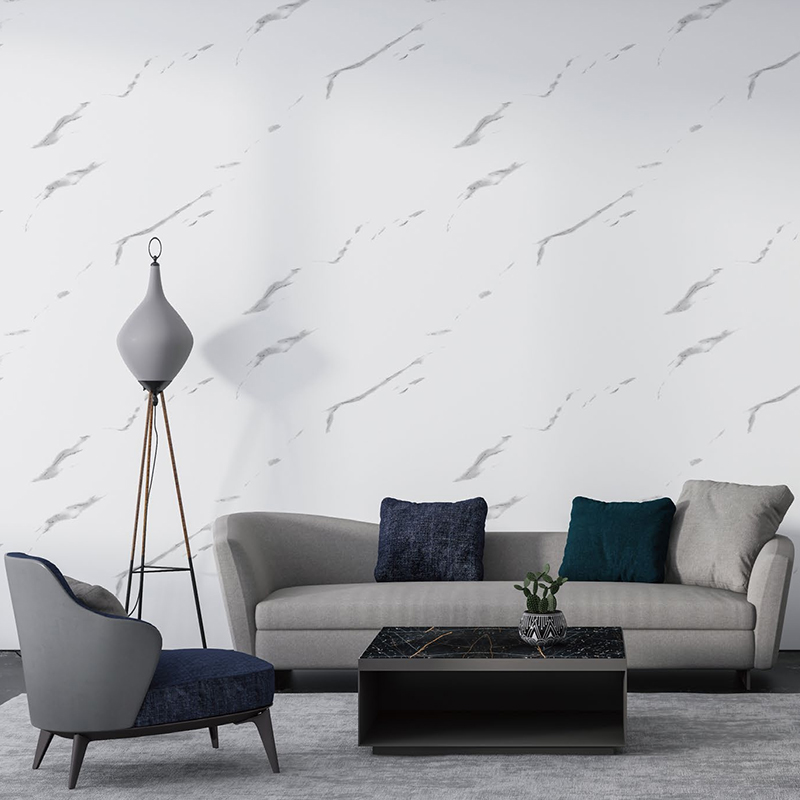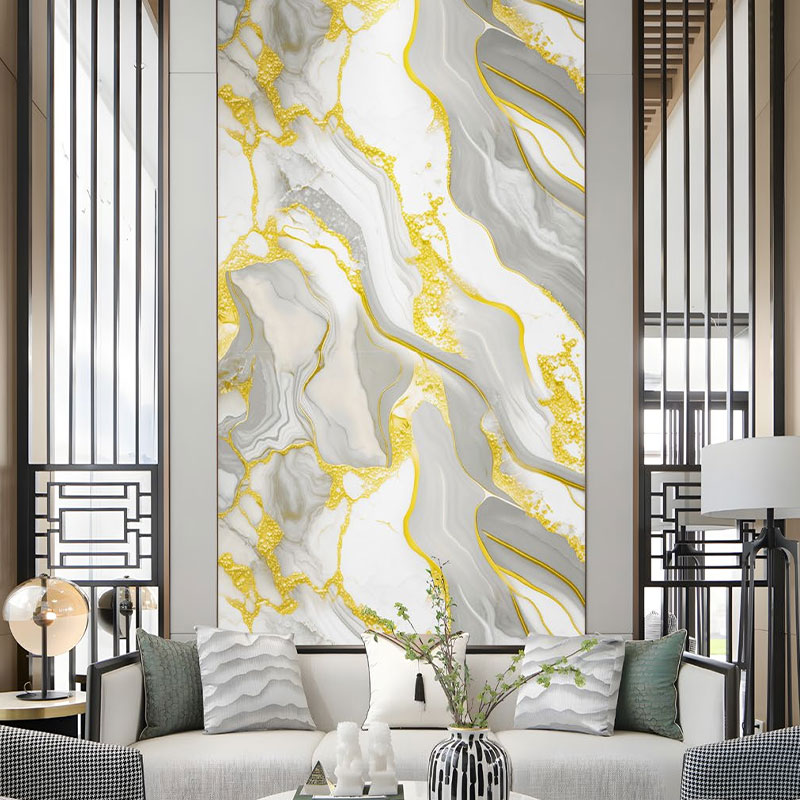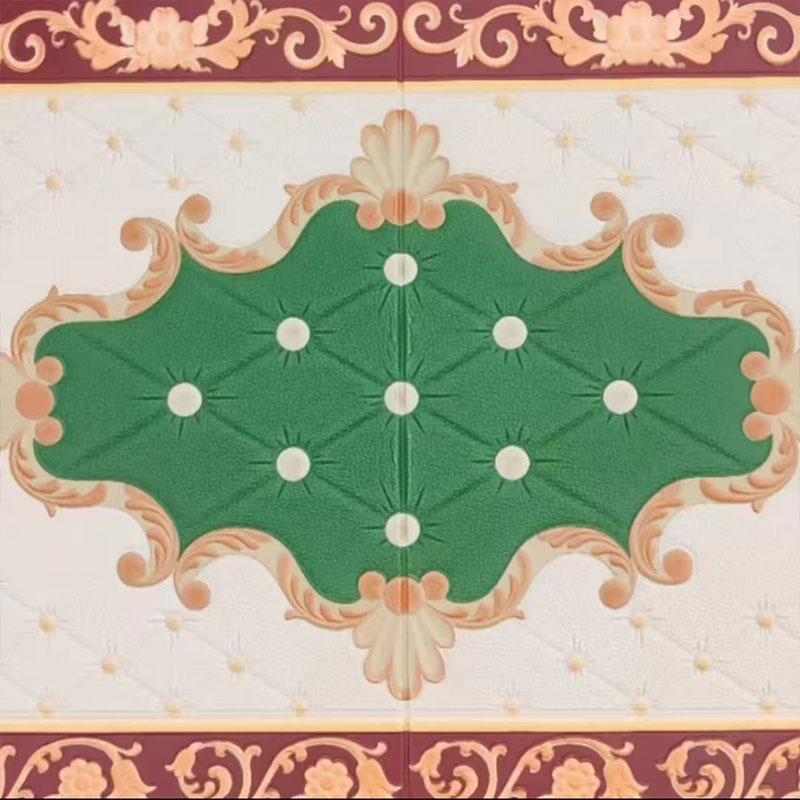


What is Decorative Film?
Decorative film, also known as architectural film or vinyl film, is a high-tech material that is revolutionizing interior design and refurbishment. At its core, it is a flexible, multi-layered polymer sheet, often made of polyvinyl chloride (PVC) or polyethylene terephthalate (PET), engineered to be applied to various surfaces like walls, furniture, and glass.
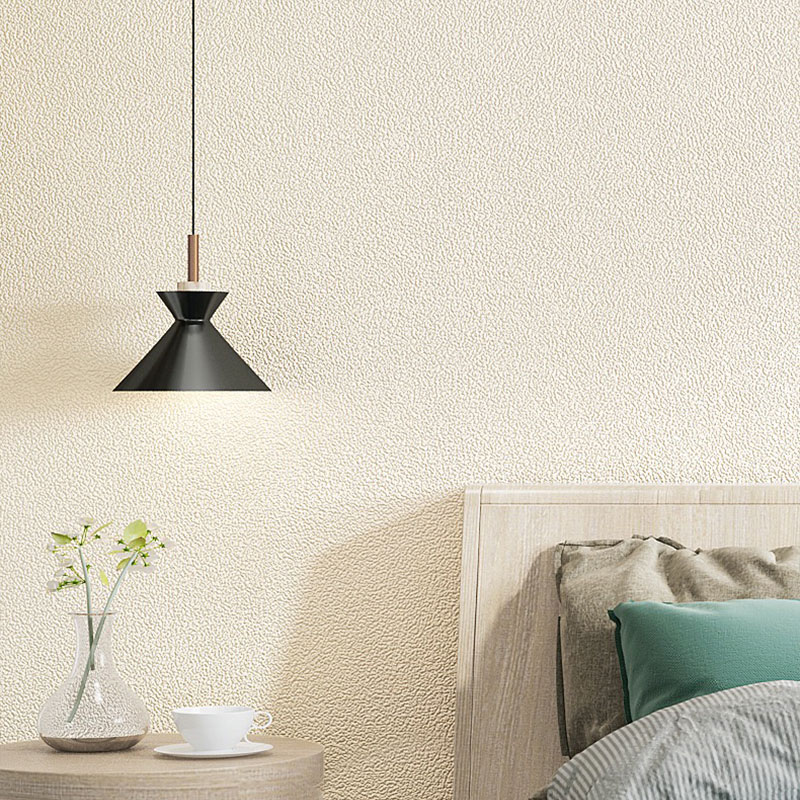
These films are much more than just oversized stickers. They are complex materials designed for durability, ease of application, and aesthetic transformation. They allow designers and homeowners to mimic the look and feel of natural, expensive, or hard-to-source materials—like wood, stone, metal, and, in this case, burlap—without the associated cost, weight, or installation hassle.
The Allure of Burlap Texture
Burlap, traditionally made from jute or hemp fibers, is recognized for its rustic, coarse, and woven appearance. This natural texture has seen a massive resurgence in interior design, driven by a desire for organic , sustainable , and biophilic aesthetics—the concept of connecting building occupants more closely to nature.
However, using actual burlap fabric on walls or furniture can be problematic. It is often non-washable, attracts dust, can be difficult to maintain, and lacks the structural integrity required for high-traffic areas. This is where the Burlap Texture Decorative Film steps in, offering the aesthetic benefits without the material’s drawbacks.
The Science Behind the Texture: Creating a Tactile Illusion
How does a smooth vinyl film perfectly capture the look and feel of rough, woven burlap? The answer lies in two key scientific and engineering processes: advanced printing and embossing.
High-Resolution Digital Printing
The first step is creating the visual illusion. Manufacturers use ultra-high-resolution digital printing technology. They scan and photograph actual burlap fibers at a microscopic level, capturing every minute variation in color, thread thickness, and weave pattern. This image data is then perfectly color-matched and printed onto the film layer. The result is a visual representation so accurate that the human eye is tricked into seeing depth and fiber variation.
Physical Embossing (The Feel)
The visual illusion is only half the story. What makes this film truly compelling is the tactile element—the feel of the texture. This is achieved through a process called embossing .
- Engraving: Metal plates or rollers are meticulously engraved with the exact three-dimensional pattern of a burlap weave.
- Heat and Pressure: The flat film material is fed through a machine where the engraved plate/roller is pressed against the film under immense heat and pressure.
- Permanent Deformation: This process permanently deforms the vinyl material, pushing it into the high and low points of the burlap texture.
The final film has a raised and recessed surface that perfectly matches the printed image, creating a complete sensory experience. You don’t just see the texture; you can feel the threads and the coarse grain, achieving a near-perfect mimicry of the natural material.
Technical Advantages of the Film
Burlap texture film offers significant technical advantages over the real fabric:
Durability and Maintenance
The film is typically coated with a protective layer, often a clear top-coat of acrylic or urethane. This makes the surface highly resistant to scuffs, tears, UV fading, and moisture . Unlike actual fabric, the film is easily cleaned with soap and water, making it a perfect choice for commercial settings like hospitals, hotels, and restaurants where sanitation is paramount.
Fire Safety
Many decorative films are engineered to meet strict fire safety regulations. They are often treated with fire-retardant additives, making them safer for use in public buildings compared to untreated natural fabrics.
Sustainability in Refurbishment
One of the greatest benefits is the concept of upcycling or in-situ refurbishment . Instead of demolishing old cabinetry or tearing out solid but visually dated wall panels, the film can be applied directly over the existing surface. This process saves materials from landfills, reduces construction waste, and minimizes the noise and disruption associated with major renovations, aligning with modern sustainability goals.
Applications and the Future of Aesthetic Materials
Burlap texture film is a prime example of a material where advanced polymer science and digital technology converge to meet aesthetic demand. It is used to transform apartment complex lobbies, retail display fixtures, office breakout areas, and even residential accent walls.
The future of these decorative films will likely involve further integration of smart technology, perhaps incorporating antimicrobial properties or even micro-sensors, continuing to blur the line between highly engineered synthetic materials and the natural textures they so effectively imitate.